Sensors
Proximity, photoelectric and sensoric solutions for automated detection and positioning.
About Sensors
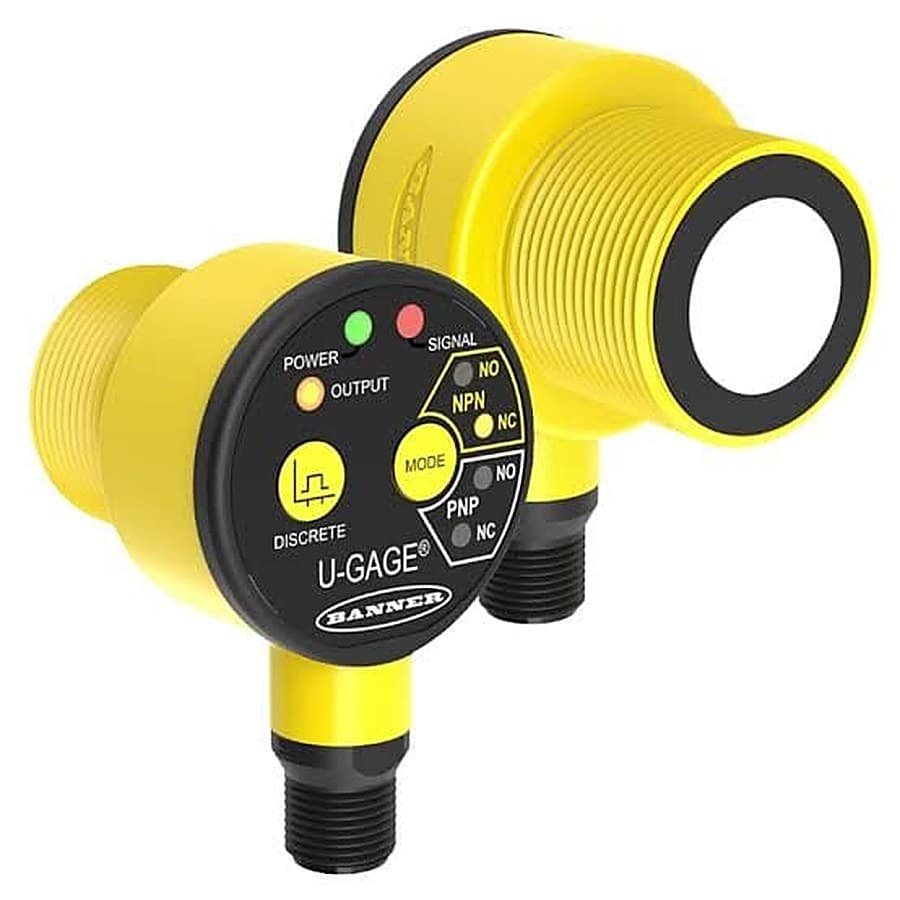
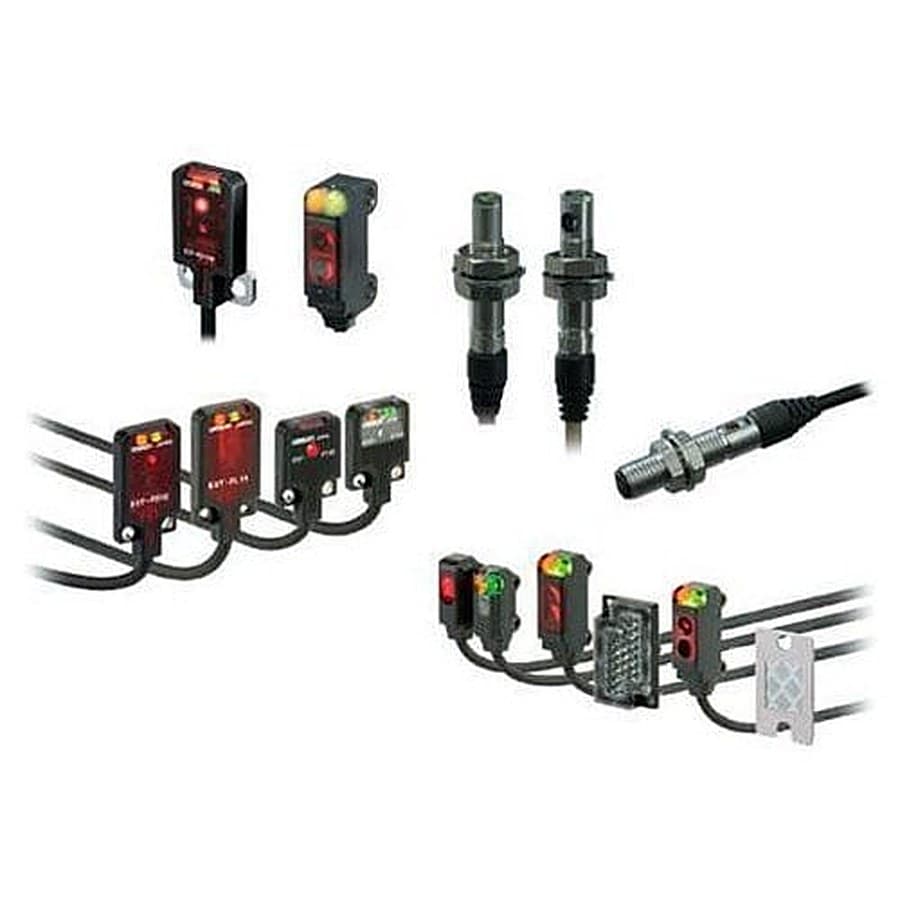
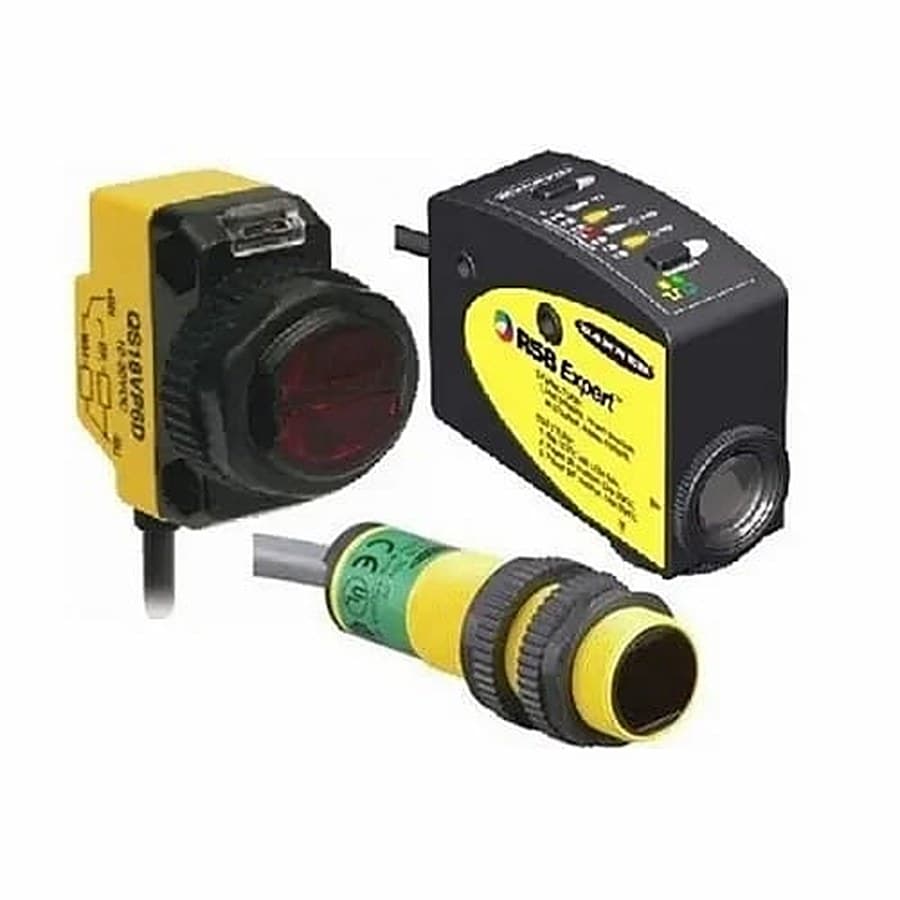
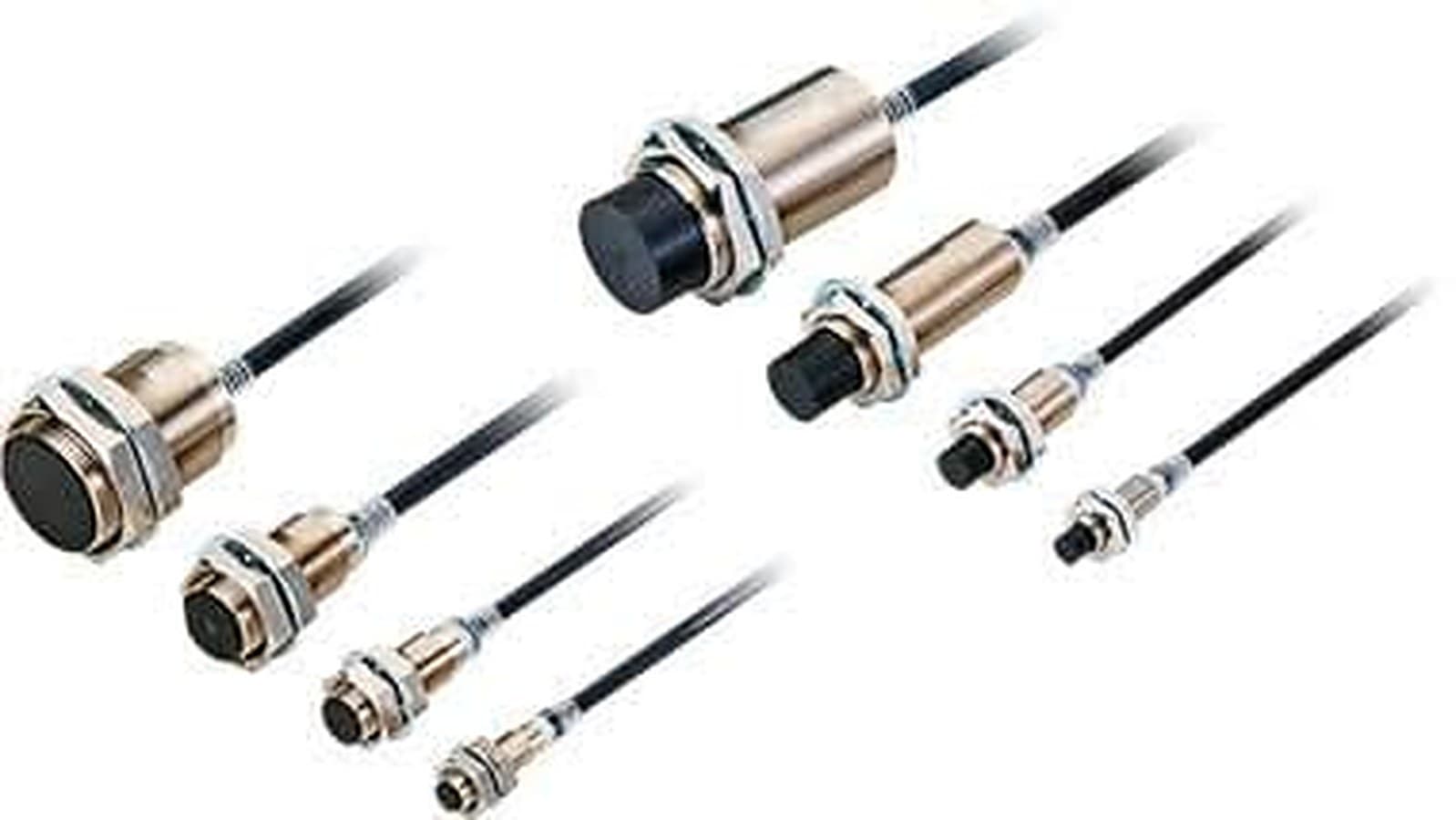
Industrial sensors tell a PLC or controller that something is there: a part on a conveyor, a carton at a filler, a cylinder at end of stroke. Inductive proximity sensors detect metal targets without contact using a high-frequency magnetic field, which makes them reliable around oil, dust and vibration. Photoelectric sensors use a beam of visible red, infrared or laser light and can detect almost any material — in diffuse, retroreflective or through-beam (opposed) arrangements — over distances from a few millimetres to several metres.
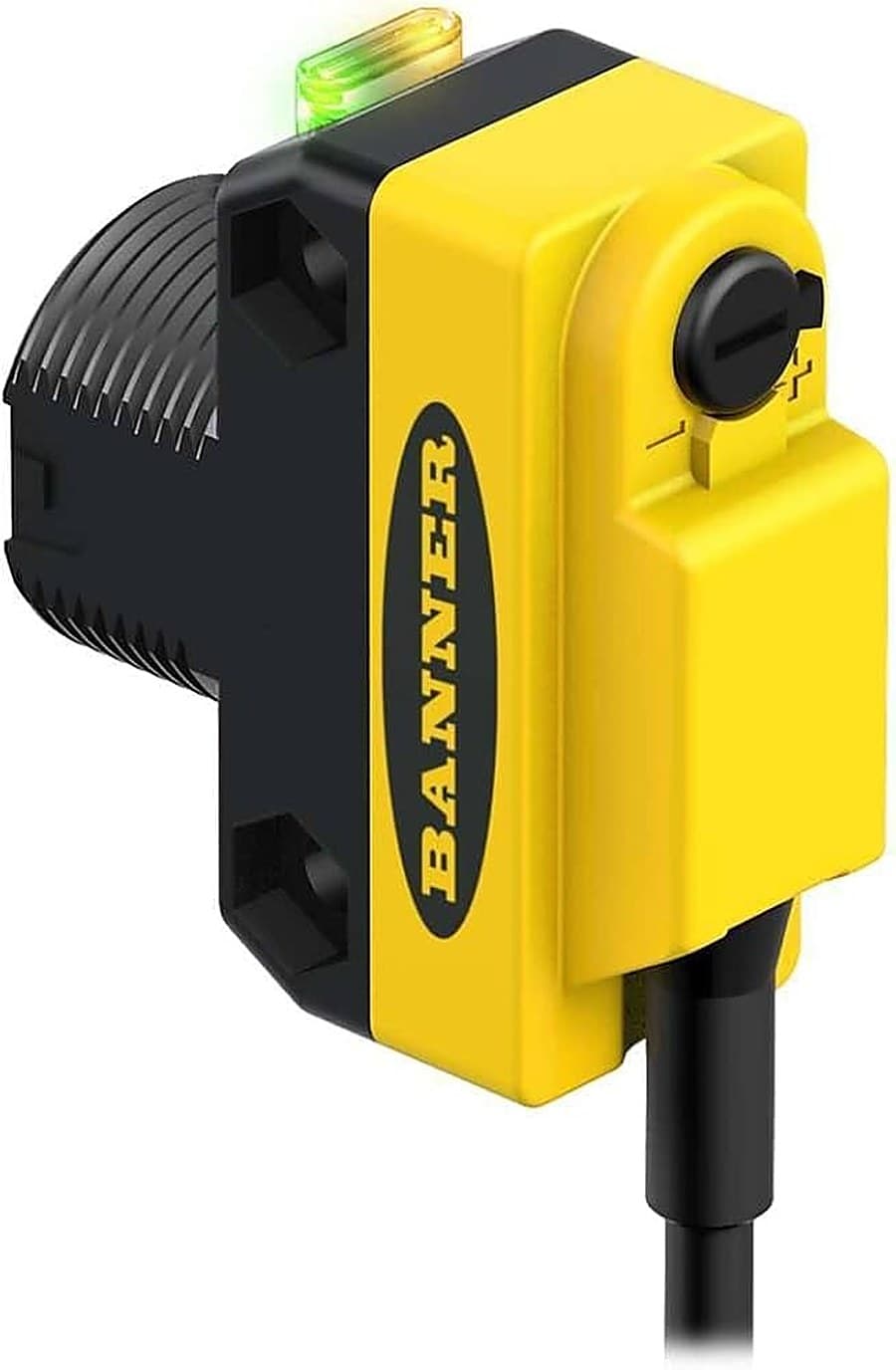
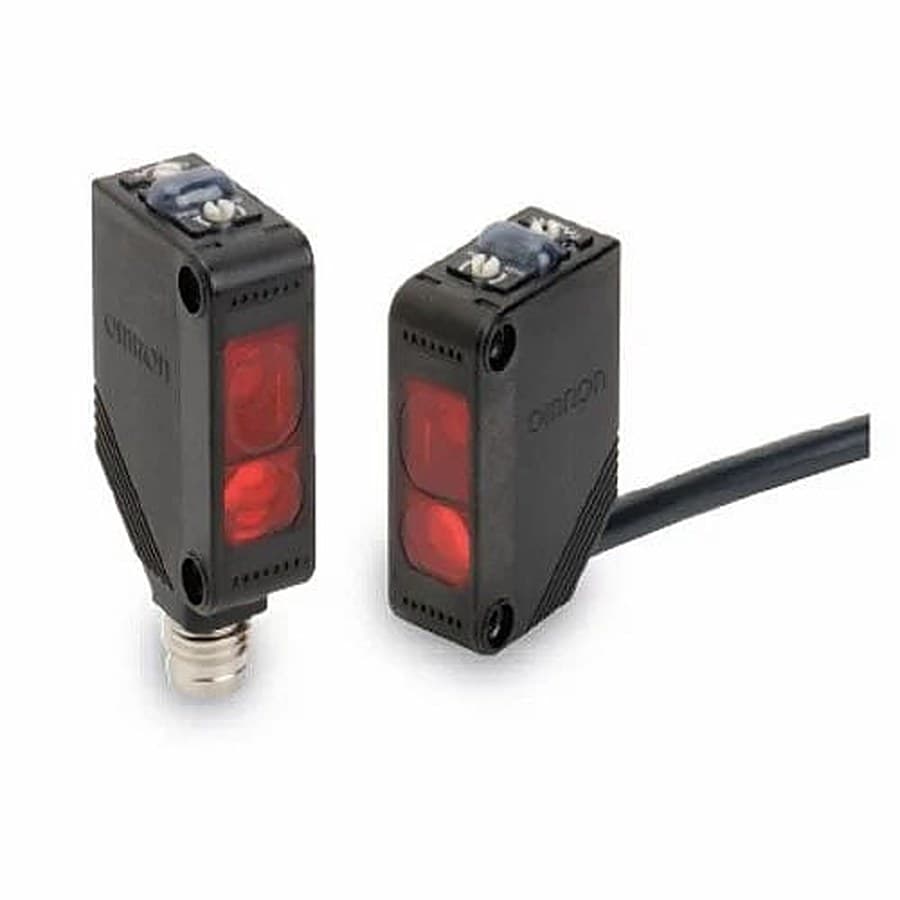
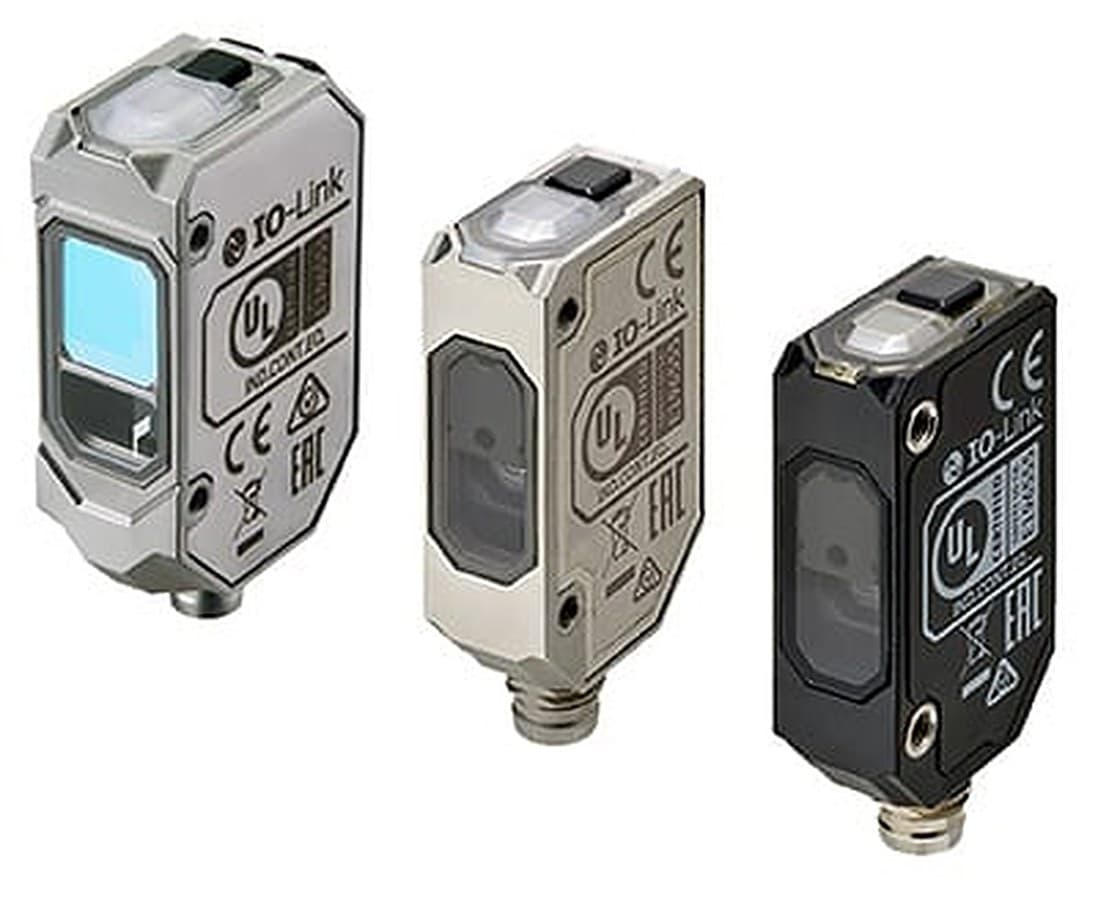
Microtech supplies Omron and Banner sensors, including Omron E2E inductive proximity sensors, Omron E3Z compact photoelectric sensors and Banner WORLD-BEAM QS18 photoelectric sensors. Most run on 10–30 V DC or 12–24 V DC with PNP or NPN switching outputs, in IP67-rated housings with cable or M8/M12 connector terminations.
We help select the sensing mode, range and output type against the target and the mounting space, and supply the same models we wire into our own control panels — so spares match what is already on the machine.
Key specifications
| Sensor types | Inductive proximity; photoelectric diffuse, retroreflective and through-beam; laser models |
|---|---|
| Supply voltage | 10–30 V DC (Banner QS18, Omron E3ZM-C and E3Z IO-Link models); 12–24 V DC on standard Omron E3Z |
| Output | PNP (sourcing) or NPN (sinking) transistor output |
| Sensing range (examples) | Banner QS18 laser diffuse up to 300 mm; laser retroreflective 0.1–10 m; laser through-beam up to 15 m |
| Response time (example) | 0.7 ms on Banner QS18 |
| Degree of protection | IP67; IP67/IP69K on Omron E2E NEXT and E3ZM-C |
| Connection | Pre-wired cable or M8 / M12 connector pigtail |
| Communication | IO-Link on Omron E2E NEXT and E3Z (-IL3) models |
Features & benefits
- Non-contact detection with no moving parts to wear out
- Laser models for small targets and precise positioning
- IP67 housings for wash-down and dusty production areas
- PNP and NPN versions to match the PLC input card
- IO-Link variants for remote setup and diagnostics
- Same models used in Microtech-built panels for spares commonality
Where it’s used
- Packaging and bottling lines
- Conveyor part detection and counting
- Machine tool and press positioning
- Automotive assembly
- Material handling and warehousing
Standards & compliance
Sensors — FAQs
Should I use a proximity or a photoelectric sensor?
Use an inductive proximity sensor for detecting metal at short range, especially in oily or dirty areas. Use a photoelectric sensor for non-metal targets, longer distances or small parts, where a clean line of sight is available.
What is the difference between PNP and NPN outputs?
A PNP sensor switches the positive supply to the load (sourcing), while an NPN sensor switches to 0 V (sinking). Choose the type that matches your PLC input card.
Can you supply a replacement for an existing sensor?
Yes. Send us the model number or a photograph of the label, and the sensing distance and connector type, and we will supply the same model or a current equivalent.