Synchronisation & Load-Sharing Panels
Paralleling panels for multi-set plants with equal kW/kVAr sharing and load management.
About Synchronisation & Load-Sharing Panels
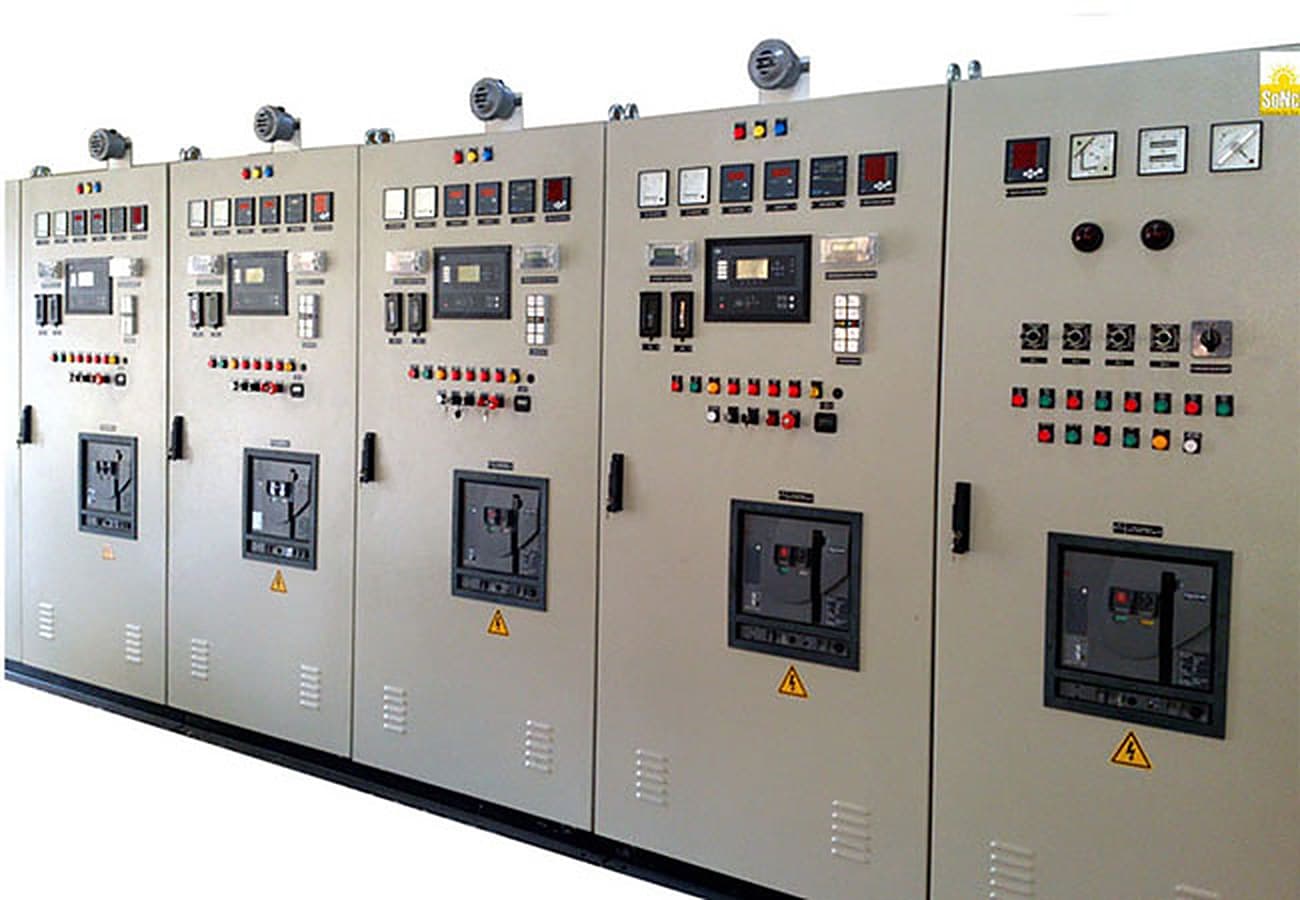
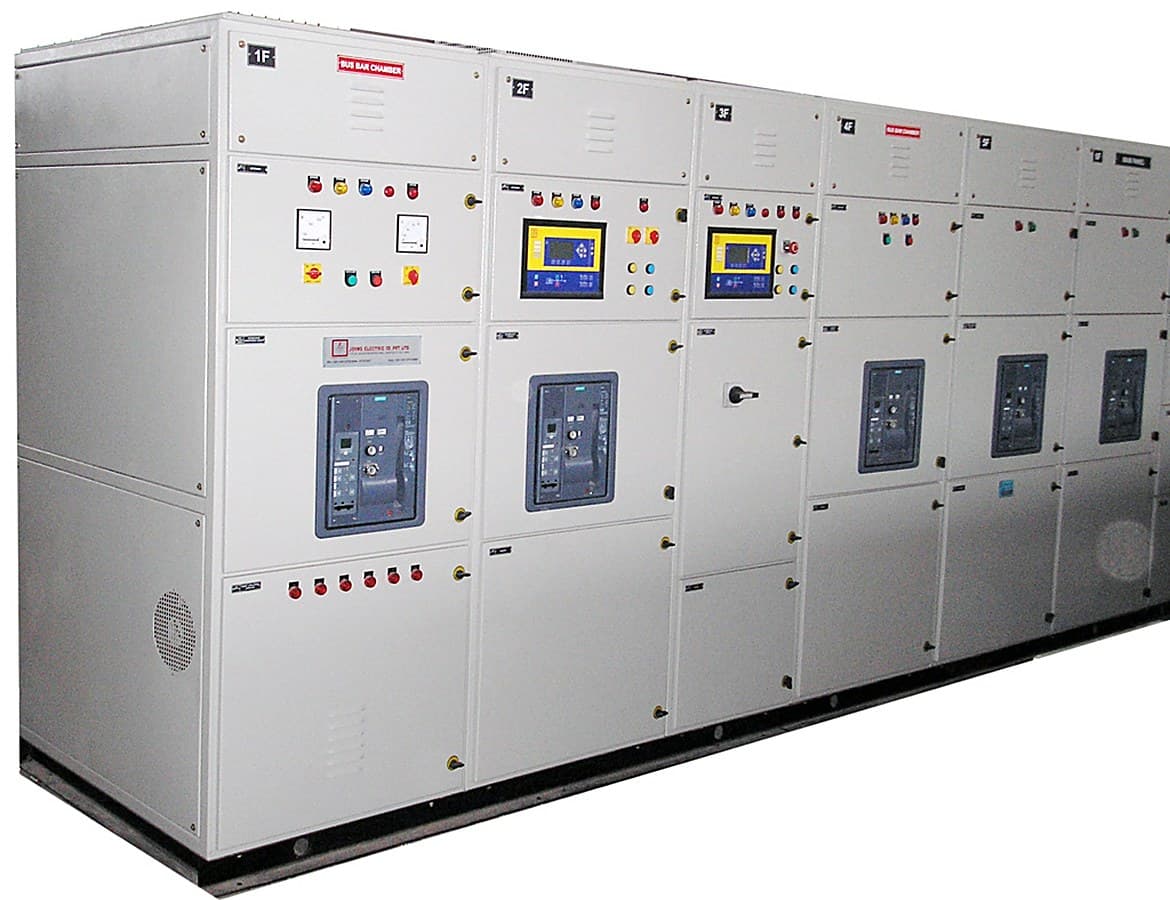
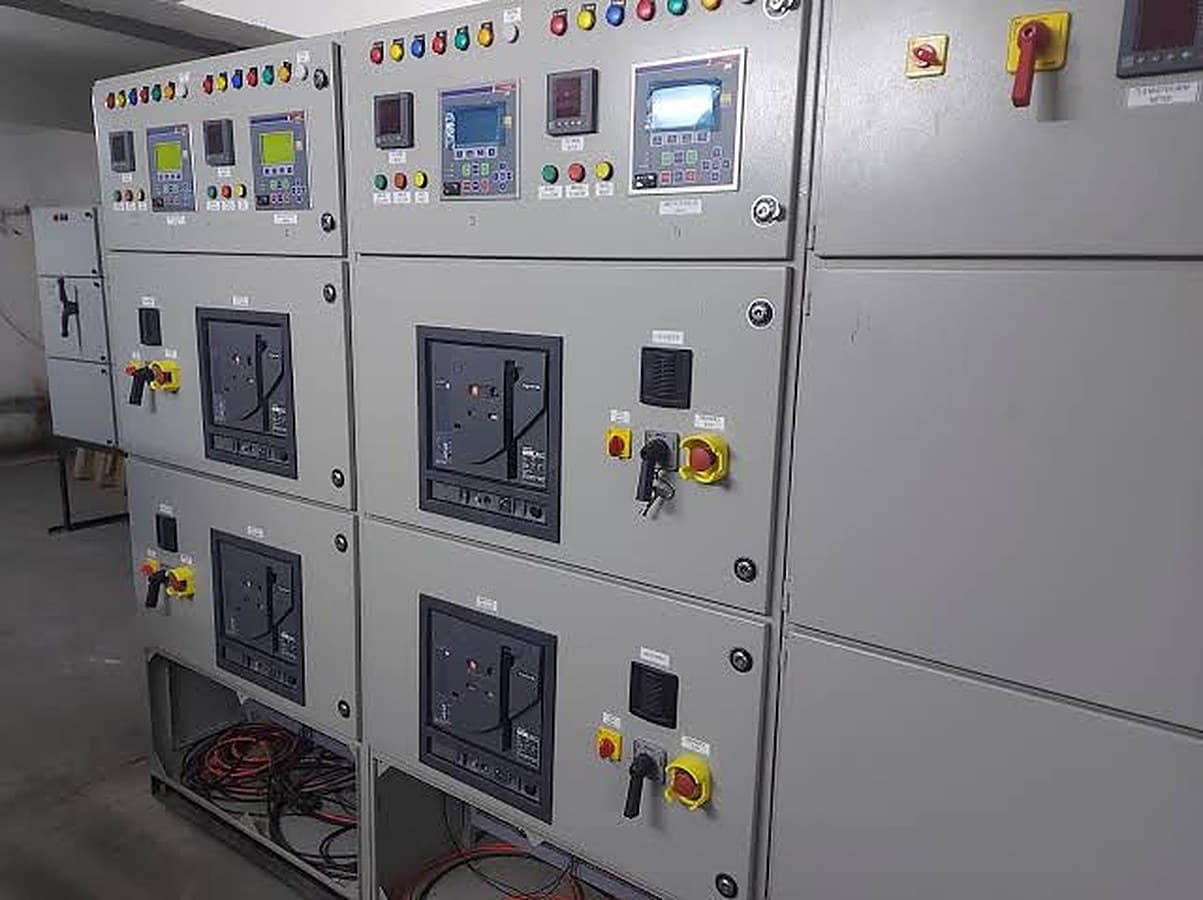
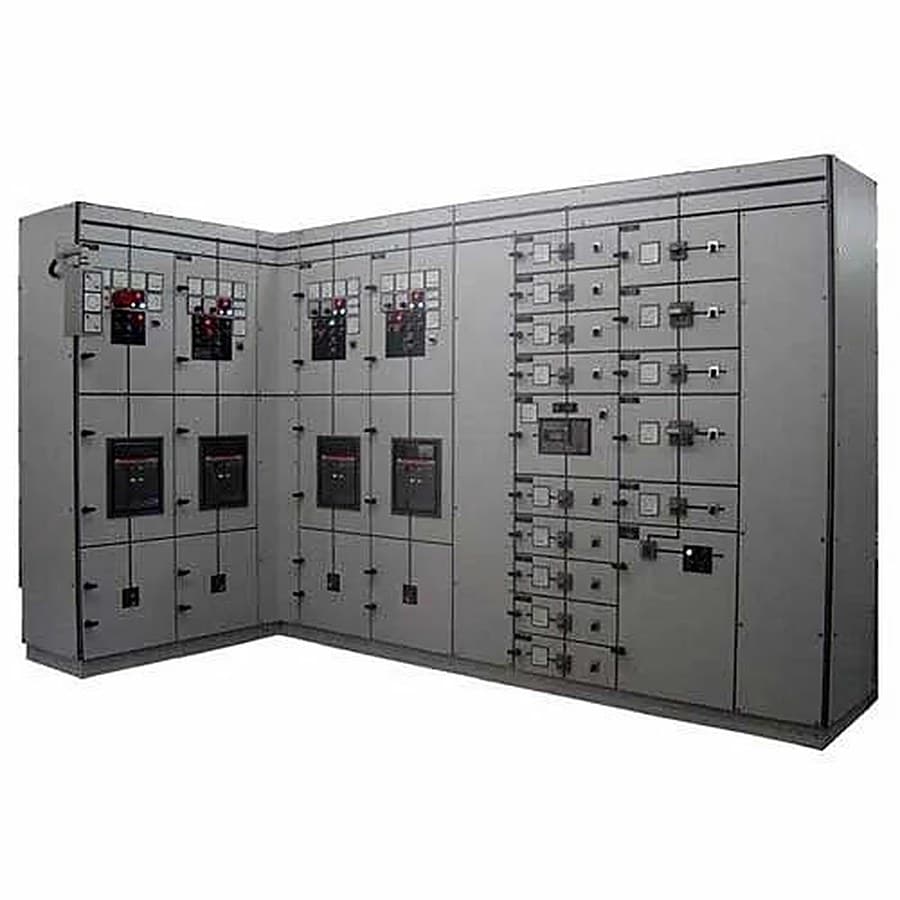
A synchronising panel lets two or more DG sets run in parallel on a common busbar. Before a set's breaker closes, the controller matches its voltage, frequency and phase angle to the live bus; once connected, it shares real (kW) and reactive (kVAr) load in proportion to each set's rating. Sets can then be started and stopped automatically as plant load rises and falls, which saves fuel and engine hours.
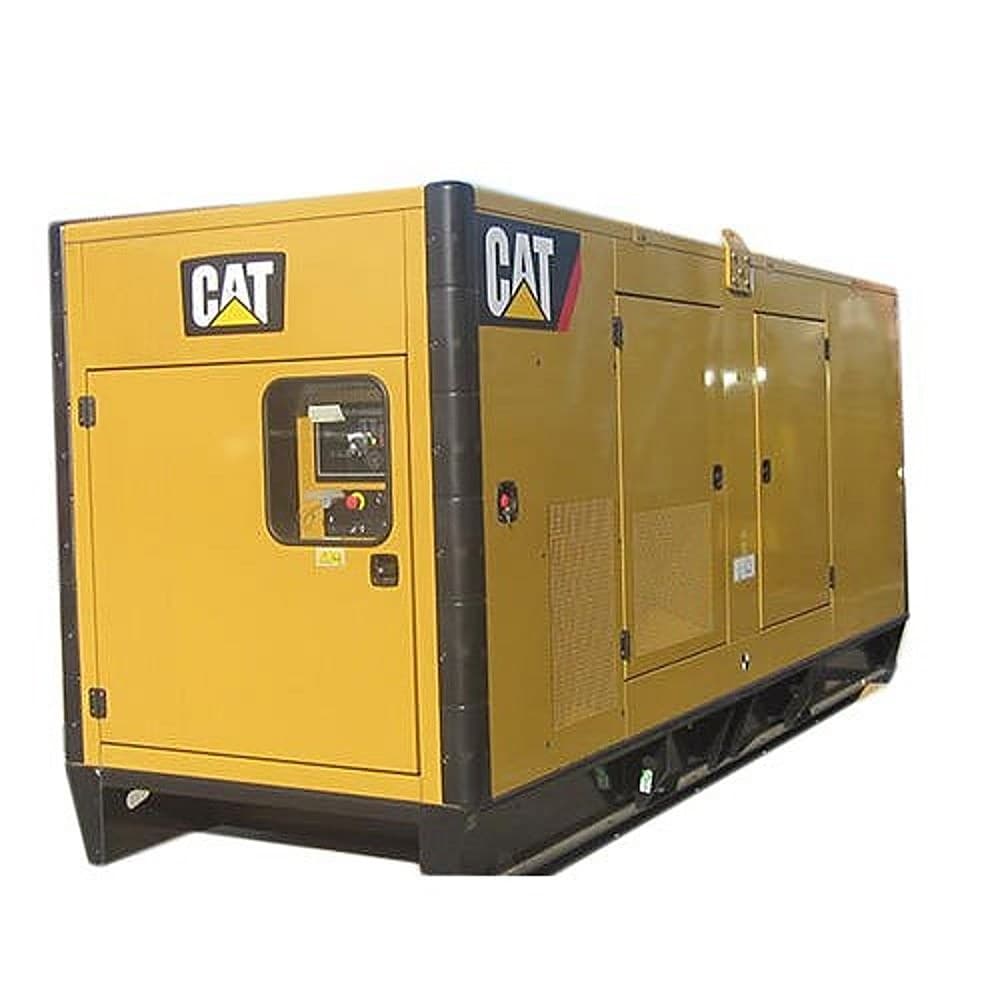
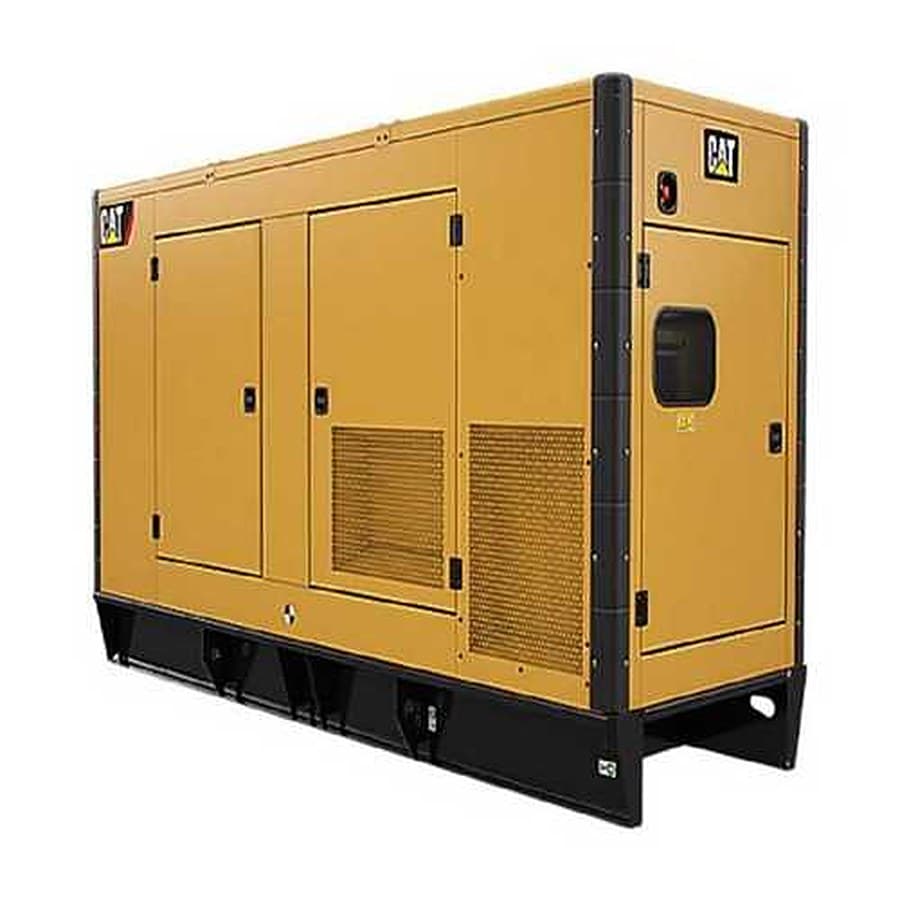
Microtech builds synchronising and load-sharing panels in-house around paralleling controllers such as the Deep Sea DSE8610 MKII, which can synchronise up to 32 generators and provides slip and dead-bus synchronising, integrated governor and AVR control and a multi-set communication link. Cat sets can also be paralleled through their EMCP 4.4 controls. Breakers and busbars use Lauritz & Knudsen or Schneider Electric switchgear.
We review existing sets' governors and AVRs during the site survey, then design, build, test and commission the panel with the sets in Uttar Pradesh and nearby states.
Key specifications
| Typical controller | Deep Sea DSE8610 MKII or Cat EMCP 4.4 |
|---|---|
| Sets in parallel | Up to 32 generators (DSE8610 MKII) |
| Synchronising | Slip sync and dead-bus sync |
| Load sharing | kW and kVAr sharing over multi-set communication link |
| Sensing | 3-phase generator and bus; 15–415 V ph-N, 3.5–75 Hz (DSE8610 MKII) |
| Communication | Ethernet (Modbus TCP, SNMP), RS232 Modbus RTU, CAN (DSE8610 MKII) |
| Switchgear | Lauritz & Knudsen / Schneider Electric breakers and busbar |
| Panel standard | IS/IEC 61439-1/2 |
Features & benefits
- Automatic synchronising before each set's breaker closes
- Proportional kW and kVAr sharing between sets
- Load-dependent start and stop of sets as demand changes
- Dead-bus synchronising for fast start-up after a blackout
- Integrated governor and AVR control
- Remote monitoring over Ethernet or Modbus
Where it’s used
- Multi-set DG plants in factories
- Hospitals needing N+1 standby redundancy
- Large commercial complexes and malls
- Captive power plants
- Data centres and telecom hubs
- Expansion of an existing single-set installation
Standards & compliance
Synchronisation & Load-Sharing Panels — FAQs
Why run two smaller DG sets in parallel instead of one large set?
Paralleling gives redundancy – if one set is down, the other still carries essential load – and lets you run only the sets the load needs, which keeps each engine better loaded and saves fuel.
Can a new set be synchronised with my existing generator?
Usually yes, if the existing set's governor and AVR can accept external control. We review them during the site survey before proposing a synchronising scheme.
How many DG sets can one system parallel?
Controllers such as the Deep Sea DSE8610 MKII support up to 32 generators on one system. The right number for your plant depends on load profile and redundancy needs.
Can the DG sets run in parallel with the grid?
Some controllers, such as Cat EMCP 4.4, support paralleling a set with the utility, but it needs approval from the electricity distribution company and additional mains protection. We assess this case by case.